Essays · 7 min read ·
How to End a College Essay: Endings That Stick
How to end a college essay without a summary or a moral: six ending techniques with original examples, endings to avoid and a method for your last line.
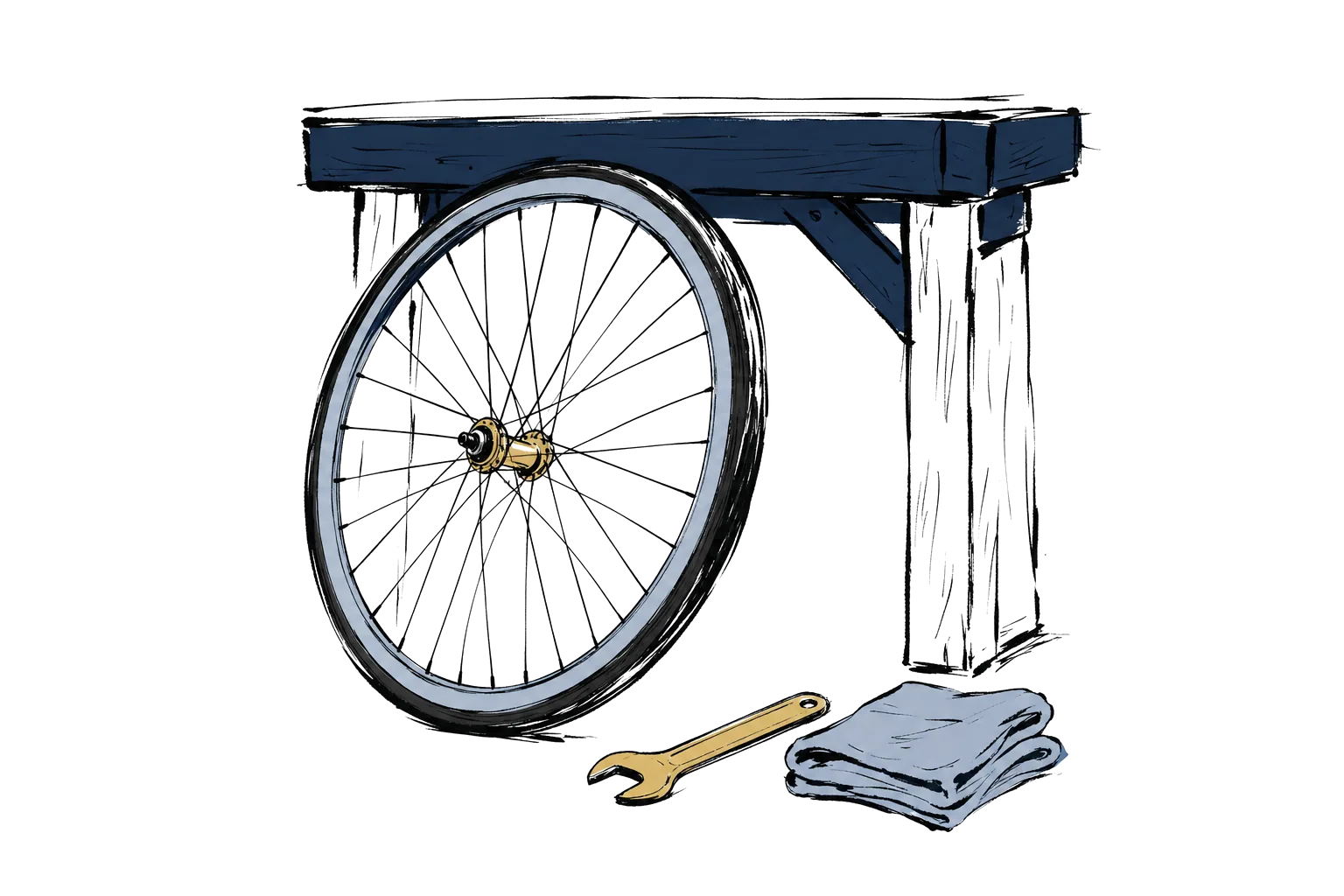
Here's how to end a college essay: show what's different now through a specific action, image or thought, instead of summarizing what you already said. The strongest last lines are concrete: they echo your opening or point forward, and they never wrap up with a moral like "I learned to never give up."
Endings are where many good essays go soft. After 550 strong words, students often switch into a summary voice they learned from five-paragraph essays. Below: what an ending needs to do, six techniques with original examples, endings to avoid and a method you can use on your draft tonight.
What should the conclusion of a college essay do?
An ending has three jobs:
- Finish the arc. The story or idea you started should feel complete, even if the situation isn't resolved.
- Show the change. The reader should sense how you think or act differently, ideally without you announcing it.
- Leave one clear image or thought. Admissions readers go through many essays. A specific last line is what they remember.
What it doesn't need: a restatement of your main points, a list of lessons or a promise about your future greatness.
How to end a college essay: 6 techniques with examples
To make the techniques easy to compare, every example below ends the same hypothetical essay, written for this post: a student who works at a bike repair shop and learns that she rushes to fix things instead of figuring out why they broke.
1. Return to your opening image, changed
If the essay opened with a detail, bring it back, but show it through new eyes.
Example (original): "The bent wheel from my first day still hangs above the register. I used to see a mistake I'd made. Now I see the first thing I ever slowed down long enough to understand."
2. Show a present-day action
Show the change by describing something you now do differently. This is the most reliable technique.
Example (original): "These days, when a customer rolls in a bike that 'just stopped working,' I hand them a coffee and ask them to tell me about the last ride first."
3. End on a question you're still working on
An honest open question shows that your thinking didn't stop when the story did.
Example (original): "I still don't know how to tell when a problem needs patience and when it needs a new part. I'm getting better at asking."
4. Look forward, specifically
A forward glance works when it's concrete and small. "I'll change the world" isn't concrete. A specific next step is.
Example (original): "Next month I'm teaching my first Saturday clinic for new riders. The lesson plan is one page long, and the first line says: don't touch the wrench yet."
5. Close with a short line of dialogue
A brief line someone said, or that you said, can carry the whole meaning without explanation.
Example (original): "Last week, a new hire asked me how I always knew what was wrong. 'I don't,' I told her. 'I just ask the bike more questions than you do.'"
6. Zoom out from one small detail
Move from the specific moment to what it means, in one or two sentences, and stop.
Example (original): "A spoke that's a quarter-turn too tight can warp a whole wheel. I've started to think most of my problems work the same way."
College essay endings to avoid
| Ending to avoid | Why it's weak | What to do instead |
|---|---|---|
| A summary of your main points | The reader just read them | Cut it; end on your strongest last scene or thought |
| Stock transitions ("To sum up," "In the end") | School-essay voice in a personal essay | Start the last paragraph with an action or image |
| The moral ("hard work pays off") | Generic and unbelievable | Show one specific thing you now do differently |
| Naming a college in your Common App essay | It goes to every school on your list | Save college plans for supplements |
| A sudden new topic | Feels like a second essay started | Stay with the subject you've built |
| A grand promise ("I will cure cancer") | Overclaims and sounds rehearsed | One concrete, near-term next step |
| An apology or hedge ("I'm still not sure this matters") | Undercuts everything before it | Uncertainty is fine; doubt about the essay isn't |
How to end each type of Common App essay
Different prompts set up different endings. A quick guide, based on the seven Common App prompts:
- Challenge or setback (prompt 2): Don't end on the victory. End on how you handle a similar problem now, ideally one that's still a little hard.
- Questioning a belief (prompt 3): The prompt asks "What was the outcome?" Answer it honestly, even if the outcome is that you're still unsure. Show where your thinking stands today.
- Gratitude (prompt 4): End on what you now do because of that person, not on thanking them again.
- Personal growth (prompt 5): Show the new understanding in action. One present-day example beats a paragraph about how much you've grown.
- A topic you love (prompt 6): End with the question you're chasing next. Curiosity essays should feel unfinished in a good way.
- Background or identity (prompts 1 and 7): End on how that part of you shapes a choice you make, not on a statement about its importance.
How long should your conclusion be?
In a 650-word essay, the ending is often 50 to 120 words, and the final sentence is usually short. Short last lines land harder.
The conclusion also shouldn't feel like a separate section. The best endings read as the last step of the story. If yours starts with a transition like "Looking back," try deleting that phrase and seeing whether the paragraph works without it. A good rule of thumb: your reflection and ending together should take at least as many words as your background and setup.
How to write your ending: the "so what" method
Use this when you're stuck:
- Write one sentence about what happened. "I learned to diagnose bikes before fixing them."
- Ask "so what?" and answer. "I slow down before I try to solve things."
- Ask "so what?" again. "I'd been treating people's problems the same way, rushing to fix instead of listening."
- Find the proof. What do you now do that shows that third answer? That action or moment is your ending.
- Write it as a scene, not a statement. Show the action, then stop.
The third "so what" is usually where reflection gets real. The first one is usually where students stop.
A worked example: before and after
Before (original example): "To sum up, working at the bike shop taught me many important lessons about patience, problem-solving and listening to others. These are skills I will carry with me to college and beyond, and I am grateful for this experience."
What's wrong: it summarizes, lists abstract skills, mentions "college and beyond" and adds gratitude that the essay never earned.
After (original example): "These days, when a customer rolls in a bike that 'just stopped working,' I hand them a coffee and ask them to tell me about the last ride first. My boss calls it slow. My repeat customers call it the reason they come back."
Same lesson, but now the reader sees it, and the last line has a little edge.
How to end a supplemental essay
Supplements have less room, so the ending needs to stay close to the question.
- "Why us" essays: End on a specific thing you'll do at that college, tied to who you are. Our Why this college essay guide covers this in detail.
- Short answers under 150 words: You often don't need a conclusion at all. End on your most specific detail.
- Community and identity prompts: End on what you'll bring or do, in one concrete sentence.
Checklist for your last paragraph
- It doesn't restate points the reader already read
- It shows a change through an action, image, line or question
- It connects to your opening or main idea
- It doesn't name a college (Common App essay only)
- The final sentence is short and specific
- You could read only the first and last lines and see how you've changed
Endings are where the "reflection" score usually rises or falls. Paste your draft into our free essay grader to see how your reflection compares with your hook, theme, detail, authenticity and writing, and which one to fix first.
Frequently asked questions
Show a change instead of stating one. End on something you do now, notice now or still wonder about because of the experience in your essay. A specific present-day action or image tells the reader what you learned without listing lessons. If your last paragraph repeats points from earlier, cut it and see if the previous paragraph makes a better ending.
No. The Common App personal essay goes to every college on your list, so naming one school in the ending will look odd to all the others. Save school-specific plans for each college's supplemental questions. Your Common App ending should be about you, your thinking and what you carry forward.
In a 650-word essay, the ending is often 50 to 120 words, and the final sentence is usually short. The conclusion should feel like the last step of the story, not a separate summary section. If your ending is longer than your opening scene, you're probably explaining too much.
Yes, if it's a real question you're still thinking about, tied to the essay's subject. An honest open question can show curiosity and maturity. Avoid rhetorical questions with obvious answers, like 'Isn't that what life is all about?' Those sound like a speech and don't tell the reader anything new about you.
A full-circle ending returns to an image, object or line from your opening, but shows it differently because of what happened in between. It works well because it signals completion and shows change at the same time. Just repeating the first line isn't enough; the point is what's changed in how you see it.
Get honest feedback on your essay
Six scores against an admissions rubric, quotes from your draft as evidence, and the one fix to make next. Free, no account needed.
Keep reading
Essays · 6 min read
AI vs Human College Essay Review: Which Should You Use?
AI review is instant, consistent and cheap. A good human reader knows you and catches what a model can't. The strongest essays usually get both, at different stages.
Essays · 6 min read
Can Colleges Tell If You Used AI on Your Essay?
AI detectors are unreliable, but that isn't the point. AI-written essays tend to read as generic, policies treat them as misrepresentation, and the safe uses of AI are easy to stay within.
Essays · 7 min read
How AI College Essay Graders Work (and What They Can't Do)
An AI essay grader is a language model plus a rubric, rules and checks. Here's what happens when you paste a draft, why some tools give you a different grade every time, and what no grader can tell you.